Express delivery and free returns within 28 days

wmremove-transformed

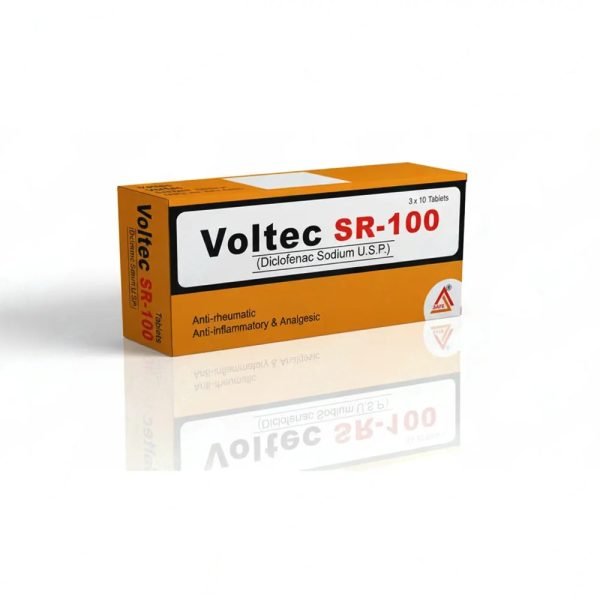
Voltec SR Tablets 100mg

3.00

Quantity:
SKU: MD-5270 Categories: , , ,

Description

Description

Diclofenac Sodium 100mg Tablet primarily exerts its anti-inflammatory, analgesic, and antipyretic effects through inhibition of prostaglandin synthesis. It achieves this by targeting and blocking cyclooxygenase (COX) enzymes, specifically COX-1 and COX-2, which are crucial in the conversion of arachidonic acid to prostaglandin H2, a precursor to various prostaglandins. By inhibiting COX enzymes, diclofenac sodium effectively reduces the production of prostaglandins, which are key mediators in the inflammatory response, pain sensitivity, and fever regulation. This mechanism underlies the drug’s effectiveness in managing inflammation, pain, and fever associated with various conditions.

Ingredients

Diclofenac Sodium 100mg

Drug Class

Non-steroidal anti-inflammatory drug (NSAID)

Dosage Form

Tablet

Uses

The following are the uses of Diclofenac Sodium 100mg Tablet:

  • Used for relieving acute pain and inflammation caused by conditions like toothache, migraine, and menstrual pain.
  • Used to treat symptoms of rheumatoid arthritis, osteoarthritis, and ankylosing spondylitis.
  • Effective for reducing pain and swelling after surgeries or injuries.
  • Helps manage pain and stiffness in the muscles and joints.
  • Provides relief from back pain and strains.
  • Used to treat soft tissue injuries and sports-related injuries.
  • Can be used to reduce fever and discomfort in conditions like flu and common cold.

    Dosage

    Use and dose must be determined by the doctor. Usually taken once daily

    In case of Overdose

    In the case of an overdose of Diclofenac Sodium 100mg Tablets, symptoms may include nausea, vomiting, stomach pain, and gastrointestinal bleeding. Prompt medical attention is necessary to manage the overdose effectively. Treatment may involve inducing vomiting or administering activated charcoal to prevent further absorption. Medical professionals will also monitor vital signs and provide supportive care to ensure the patient’s stability and recovery. It is crucial to seek medical assistance immediately if an overdose is suspected.

    Missed Dose

    In the case of a missed dose of Diclofenac Sodium 100mg Tablet, it is important to take the missed dose as soon as you remember. However, if it is almost time for your next scheduled dose, skip the missed dose and continue with your regular dosing schedule. Do not double the dose to make up for a missed one, as this may increase the risk of side effects. It is generally recommended to take the missed dose within 2 to 3 hours of the scheduled time, but consult your healthcare professional for specific guidance tailored to your medical condition and treatment plan.

    How To Use

    To take Diclofenac Sodium 100mg Tablet, swallow the tablet whole with a full glass of water, preferably with or after a meal, as directed by your doctor, usually once or twice daily.

    When Not to Use

    Here are the conditions and situations when Diclofenac Sodium 100mg Tablet should not be taken:

    • Avoid if you have a known allergy or hypersensitivity to Diclofenac, aspirin, or other non-steroidal anti-inflammatory drugs (NSAIDs).
    • Do not use if you have active or recent gastrointestinal bleeding or perforation.
    • Contraindicated in individuals with severe heart failure or severe kidney disease.
    • Not recommended for patients with a history of asthma attacks, hives, or other allergic reactions triggered by aspirin or other NSAIDs.
    • Should not be used during the last 3 months of pregnancy.
    • Avoid if you have a history of peptic ulcer disease or gastrointestinal bleeding.
    • Do not take if you have recently undergone coronary artery bypass graft (CABG) surgery.
    • Contraindicated in individuals with uncontrolled hypertension (high blood pressure).
    • Not suitable for patients with severe liver impairment.
    • Avoid using Diclofenac if you have a bleeding disorder or are taking blood-thinning medications.

      Side Effects

      The side effects of Diclofenac Sodium 100mg Tablet may include:

      • Stomach pain or discomfort
      • Nausea and vomiting
      • Diarrhea or constipation
      • Dizziness or vertigo
      • Headache
      • Skin rashes or itching
      • Increased blood pressure
      • Liver problems, including elevated liver enzymes

        Precautions & Warnings

        Following are the precautions and warnings for Diclofenac Sodium 100mg Tablet:

        • This medication should be used with caution in patients with a history of gastrointestinal bleeding, as it may increase the risk of bleeding.
        • Patients with cardiovascular risks such as high blood pressure, heart disease, or a history of stroke should exercise caution, as Diclofenac may increase the risk of cardiovascular events.
        • It is essential to monitor liver function regularly during long-term treatment, as it may cause liver-related side effects.
        • Avoid using Diclofenac if you have a known allergy to Non-Steroidal Anti-Inflammatory Drugs (NSAIDs).
        • Not recommended for individuals with severe heart failure or established ischemic heart disease, as it may worsen these conditions.
        • Diclofenac may cause fluid retention and edema, so patients with conditions like heart or kidney disease should be closely monitored.
        • Not suitable for use during pregnancy, especially in the third trimester, as it may cause adverse effects on the fetal cardiovascular system.
        • Seek medical advice if you have a history of asthma or allergic reactions, as Diclofenac may trigger bronchospasm.

          Drug Interactions

          Following are the drug interactions for Diclofenac Sodium 100mg Tablet:

          • Concomitant use with other NSAIDs (non-steroidal anti-inflammatory drugs) may increase the risk of gastrointestinal bleeding and kidney problems.
          • Diclofenac can interact with ACE inhibitors and angiotensin receptor blockers, potentially reducing their effectiveness in controlling blood pressure.
          • It may decrease the elimination of lithium, leading to increased lithium levels and potential toxicity.
          • Anticoagulants like warfarin may have their effects enhanced, increasing the risk of bleeding.
          • Methotrexate levels can be elevated when used with Diclofenac, leading to increased toxicity.
          • When combined with diuretics, especially loop diuretics, Diclofenac may reduce their diuretic and antihypertensive effects.
          • Probenecid may increase the concentration of Diclofenac, leading to potential side effects.

            Food Interactions

            Following are the food interactions for Diclofenac Sodium 100mg Tablet:

            • Avoid excessive alcohol consumption as it may increase the risk of gastrointestinal bleeding and liver toxicity.
            • Grapefruit and grapefruit juice should be consumed with caution as they can affect the metabolism of Diclofenac, potentially increasing its levels in the body and the risk of side effects.
            • Limit caffeine intake as it may increase the risk of stomach irritation and interfere with the medication’s effectiveness.
            • Avoid high-sodium foods as Diclofenac can cause sodium retention, and excessive sodium intake may lead to fluid retention and increased blood pressure.
            • Avoid fatty or greasy foods as they may slow down the absorption of Diclofenac, affecting its onset of action.
            • Maintain a balanced diet rich in fruits, vegetables, and whole grains to support overall health and potentially reduce the risk of gastrointestinal side effects.
            • Consult your healthcare provider for specific dietary recommendations, especially if you have a history of gastrointestinal issues or cardiovascular problems.
            • Stay well-hydrated to reduce the risk of kidney-related complications, especially when taking Diclofenac for extended periods.

              Storage/Disposal

              Diclofenac Sodium 100mg Tablets should be stored in a secure and dry location, preferably in a medicine cabinet or a designated storage area, ensuring they remain out of reach of children and pets. Maintain a consistent room temperature, avoiding exposure to direct sunlight, excessive heat, or moisture, as these conditions can degrade the medication. It is crucial to keep the tablets in their original packaging, tightly sealed, to prevent contamination and maintain their effectiveness. When disposing of unused or expired tablets, do not flush them down the toilet or dispose of them in regular trash. Instead, follow local guidelines for pharmaceutical waste disposal or consult a pharmacist for guidance on safe and environmentally responsible disposal methods. Proper storage and disposal practices help maintain the integrity of the medication and contribute to overall safety.