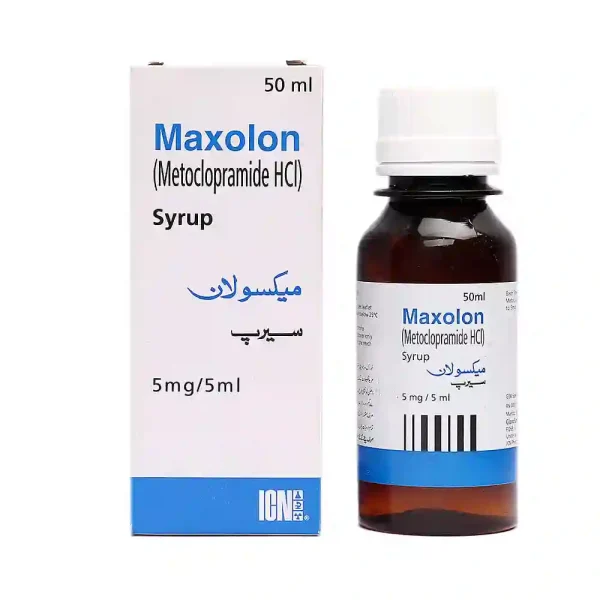
Usage And Safety
Dosage
Adults : 20yr and over : 10mg three times daily orally , IM or IV . Usual max 0.5mg/kg body-wt daily. Children : Oral or IM Injection or IV injection over at least 3 minutes : 1-18yr , 100-150mcg/kg upto 3 times daily. Always consult your doctor or pharmacist for dose adjustments.
Side Effects
• Drowsiness, tiredness • restlessness • dizziness, headache • bowel irregularities • insomnia • anxiety • agitation uncontrolled or repeated movements, e.g. sucking or smacking of the lips, darting of the tongue, chewing movements, uncontrolled movements of the arms or legs. This may be a sign of tardive dyskinesia, a movement disorder which can be potentially irreversible. • fast heartbeat • depression • swelling of hands, ankles or feet.
Drug Interactions
Tranquilizers or anti-anxiety medications , strong pain relievers (e.g. codeine or morphine) , sedatives or sleeping medication , atropine-like medications (e.g. some cold preparations, travel sickness medicines) , tetracycline antibiotics, paracetamol, levodopa , digoxin.
Indication
In adults this medicine is used to treat nausea and vomiting caused by infectious diseases, migraine, kidney disease, child birth, other medications, cancer, or following surgery, chemotherapy or radiation treatment.
When not to Use
Do not take Metoclopramide if you have an allergy to: • Any medicine containing Metoclopramide • Any of the ingredients in the list.
Warnings
Warning 1
To avoid adverse reactions, adhere strictly to dosage recommendations where prolonged therapy is considered necessary, patients should be regularly reviewed.
Warning 2
If you are about to be started on any new medicine, remind your doctor and pharmacist that you are taking Metoclopramide.
Warning 3
This medicine may cause dizziness, light-headedness, tiredness or drowsiness in some people. If you have any of these symptoms, do not drive, operate machinery or do anything else that could be dangerous.