₨140.00
Yes
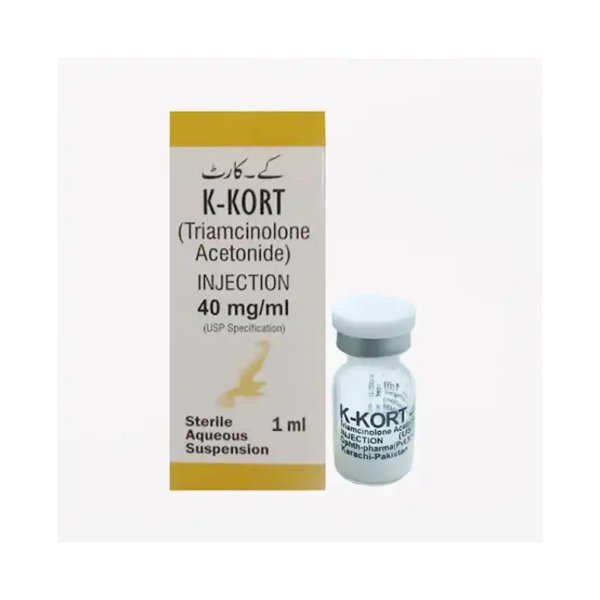
Triamcinolone Acetonide
Arthritis
Glucocorticoids, naturally occurring and synthetic, are adrenocortical steroids that are readily absorbed from the gastrointestinal tract. Naturally occurring glucocorticoids (hydrocortisone and cortisone), which also have salt retaining properties, are used as replacement therapy in adrenocortical deficiency states. Synthetic analogs such as triamcinolone are primarily used for their anti-inflammatory effects in disorders of many organ systems.
INJ: Lowest possible dose to be used. When reduction possible, reduce gradually. IM: Range: 2.5-100mg/day. Children: Initial: 0.11-1.6mg/kg/day in 3-4 divided doses; 6-12yr: Initial 40mg; 12-18yr, Initial: 60mg. Adults : Initial 60mg or as directed by your physician.
• Pain
• fluid retention
• salt retention
• changes in heart beat
• sores
• muscle weakness
• tiredness
• slow wound healing
• sweating
• headaches
• irregular menstrual periods
• stomach upsets
• dizziness
• convulsions
• numbness
• pins & needles
• pain in arms or legs
• insomnia
• sore eyes
• vision impairment or loss of vision
• serious heart problems
• weakening of bones
• stomach ulcers
• glandular problems.
Aminoglutethimide, Amphotericin B injection and potassium-depleting agents, Antibiotics, Anticholinesterases, corticosteroids, warfarin, Antidiabetics, isoniazid, Cholestyramine, Cyclosporine, Digitalis glycosides, Estrogens, including oral contraceptives, barbiturates, phenytoin, carbamazepine, rifampin, Ketoconazole, Nonsteroidal anti-inflammatory drugs (NSAIDs), Vaccines.
It is used to treat allergic diseases, bad skin problems or arthritis. To treat these problems it is injected deep into a muscle. From the muscle it is slowly absorbed into the blood and carried by the blood to all parts of the body.
Do not use triamcinolone acetonide if you have an allergy to triamcinolone acetonide or to any of the ingredients listed .
Corticosteroids should be used cautiously in patients with ocular herpes simplex because of possible corneal perforation.
Prolonged use of corticosteroids may produce posterior subcapsular cataracts or glaucoma, with possible damage to the optic nerve. Prolonged use may also enhance the likelihood of secondary ocular infections.
Patients should not be vaccinated or immunized while on corticosteroid therapy, especially on high doses, because of a lack of antibody response predisposing to medical complications, particularly neurological ones.
Rare instances of anaphylactoid reactions have occurred in patients receiving parenteral corticosteroid therapy. Appropriate precautionary measures should be taken prior to administration, especially when the patient has a history of allergy to any drug.
Always consult your physician before using any medicine.
Store this medicine at room temperature, away from direct light and heat.