Requires Prescription (YES/NO)
Yes
How it works
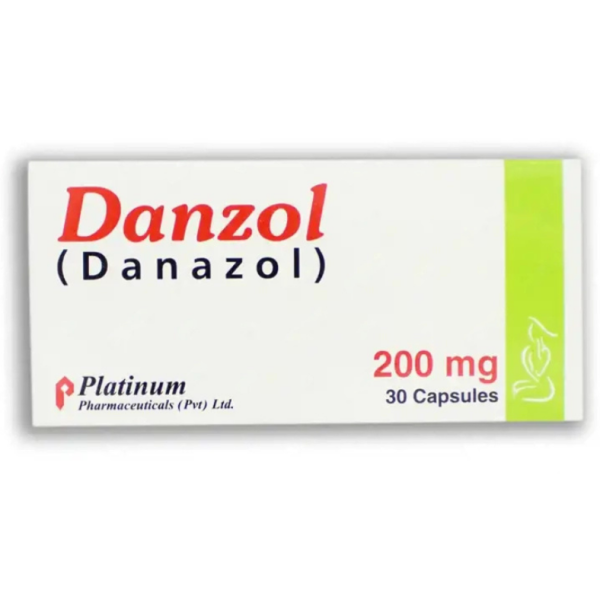
Danazol, 17a-pregna-2,4-dien-20-yno(2,3-d)-isoxazol-17-ol, is a synthetic steroid derived from ethisterone. Its pharmacological properties include: 1. Relatively marked affinity for androgen receptors, less marked affinity for progesterone receptors and least affinity for oestrogen receptors. Danazol is a weak androgen but in addition antiandrogenic, progestogenic, antiprogestogenic, oestrogenic and antioestrogenic actions have been observed. 2. Interference with the synthesis of gonadal steroids, possibly by inhibition of the enzymes of steroidogenesis, including 3ß hydroxysteroid dehydrogenase,17ß hydroxysteroid dehydrogenase, 17 hydroxylase, 17, 20 lyase, 11ß hydroxylase, 21 hydroxylase and cholesterol side chain cleavage enzymes, or alternatively by inhibition of the cyclic AMP accumulation usually induced by gonadotrophic hormones in granulosa and luteal cells. 3. Inhibition of the mid-cycle surge of FSH and LH as well as alterations in the pulsatility of LH. Danazol can also reduce the mean plasma levels of these gonadotrophins after the menopause. 4. A wide range of actions on plasma proteins, including increasing prothrombin, plasminogen, antithrombin III, alpha-2 macroglobulin, C1 esterase inhibitor, and erythropoietin and reducing fibrinogen, thyroid binding and sex hormone binding globulins. Danazol increases the proportion and concentration of testosterone carried unbound in plasma. 5 The suppressive effects of danazol on the hypothalmic-pituitary-gonadal axis are reversible, cyclical activity reappearing normally within 60-90 days after therapy.
Usage And Safety
Dosage
Endometriosis: Clinical effectiveness has been achieved with total daily doses ranging from 200 to 800 mg in two to four divided doses and administered without interruption for 3 to 6 months. In patients with severe presenting symptomatology, the usual starting dose is 800 mg daily. The maximum recommended daily dose is 800 mg. It is essential that therapy continue uninterrupted for 3 to 6 months. Fibrocystic Breast Disease: The total daily dose ranges from 100 to 400 mg given in two divided doses depending upon patient response.
Side Effects
Allergic: urticaria, pruritus, rarely nasal congestion; Skin and mucous membranes: rashes (maculopapular, vesicular, papular, purpuric, petechial), acne, hyperpigmentation, hair loss, inflammatory erythematous nodules, altered skin pigmentation, exfoliative dermatitis, erythema multiforme, Stevens-Johnson syndrome and rarely sun sensitivity; Gastrointestinal: nausea, vomiting, constipation, gastroenteritis and rarely pancreatitis; Genitourinary: hematuria, prolonged post-therapy amenorrhea, disturbance of the menstrual cycle, intermenstrual spotting and/or prolonged anovulation.
Drug Interactions
Coumadin (warfarin)-type anticoagulants; carbamazepine, phenytoin and phenobarbital; cyclosporin and tacrolimus (used to reduce organ rejection after an organ transplant operation); insulin or oral hypoglycemic agents (used to treat diabetes); anti-hypertensive drugs (used to treat high blood pressure); statin drugs (used to lower blood cholesterol such as simvastatin, atorvastatin and lovastatin). The concomitant administration with simvastatin is contraindicated.
Indication
It is indicated for the treatment of endometriosis associated symptoms and/or to reduce the extent of endometriotic foci. It may be used either in conjunction with surgery or, as sole hormonal therapy, in patients not responding to other treatments.
When not to Use
It is contraindicated in patients presenting with:
1) undiagnosed abnormal genital bleeding;
2) genital neoplasia;
3) markedly impaired hepatic, renal or cardiac function;
4) pregnancy;
5) breast feeding;
6) porphyria – It can induce ALA synthetase activity and should not be used in patients with known or suspected acute intermittent porphyria;
7) androgen-dependent tumor;
8) active thrombosis or thromboembolic disease and history of such events.
9) known hypersensitivity to danazol or to any ingredient in the formulation.
Warnings
Warning 1
Danazol has the theoretical potential for androgenic effects in breast-fed infants and therefore either danazol therapy or breast feeding should be discontinued.
Warning 2
Before initiating therapy of fibrocystic breast disease with Danazol , carcinoma of the breast should be excluded.
Warning 3
Danazol can diminish the effectiveness of antihypertensive agents and likely interact with gonadal steroid therapy.