Usage And Safety
Dosage
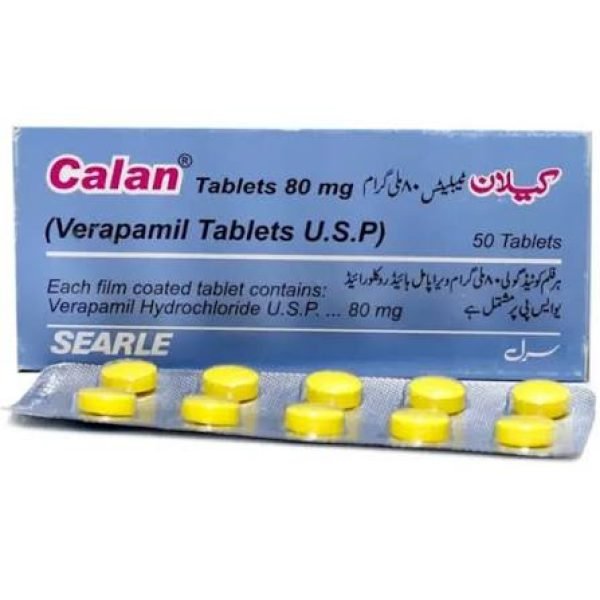
Angina: 80-120mg three times a day. Titrate: increase by once daily or once weekly intervals, Hypertension: 80mg three times a day. 360-480 mg per day. Arrhythmia: 240-320mg/day divided in three to four doses. Mx. Dose: 480mg or as directed by your physician.
Side Effects
Constipation, Dyspnea, Dizziness, Bradycardia, Nausea, Hypotension, AV block, Headache, Edema, CHF, Rash, Edema, Flushing, Fatigue, angina pectoris, atrioventricular dissociation, chest pain, claudication, myocardial infarction, palpitations, purpura (vasculitis), syncope, diarrhea, dry mouth, gastrointestinal distress, gingival hyperplasia, blurred vision, tinnitus.
Drug Interactions
HMG-CoA reductase inhibitors, Ivabradine, Beta-blockers, Digitalis, Disopyramide, Flecainide, Quinidine, Alcohol, Nitrates, Cimetidine, Lithium, Carbamazepine, Rifampin, Phenobarbital, Cyclosporin, Theophylline, Telithromycin, Clonidine.
Indication
It is indicated for the treatment of hypertension.
When not to Use
Verapamil HCl is contraindicated in:
1. Severe left ventricular dysfunction
2. Hypotension (systolic pressure less than 90 mm Hg) or cardiogenic shock.
3. Sick sinus syndrome (except in patients with functioning artificial ventricular pacemaker).
Warnings
Warning 1
Occasionally, the pharmacologic action of verapamil may produce a decrease in blood pressure below normal levels, which may result in dizziness or symptomatic hypotension.
Warning 2
Verapamil has a negative inotropic effect, which in most patients is compensated by its afterload reduction (decreased systemic vascular resistance) properties without a net impairment of ventricular performance.
Warning 3
Elevations of transaminases with and without concomitant elevations in alkaline phosphatase and bilirubin have been reported.