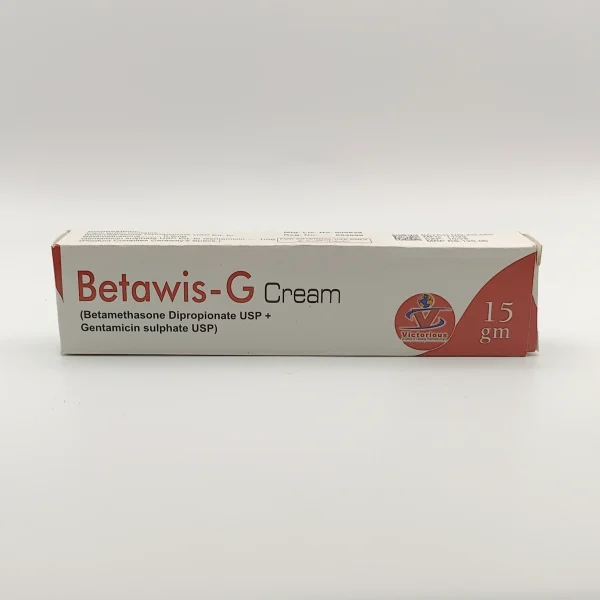
Betamethasone is a potent corticosteroid that works by reducing inflammation, swelling, and redness. It inhibits the production of substances in the body that trigger inflammation, such as prostaglandins and leukotrienes. By suppressing the immune response, it helps control conditions such as eczema and dermatitis. Gentamicin, an aminoglycoside antibiotic, works by binding to bacterial ribosomes, inhibiting protein synthesis, and causing the breakdown of the bacterial cell membrane. This prevents the growth and replication of bacteria, thereby treating the infection.
Ingredients
Betamethasone, Gentamycin
Drug Class
Dosage Form
Uses
The following are the uses of Betamethasone and Gentamicin Cream:
- Treatment of bacterial skin infections caused by susceptible organisms, such as impetigo and folliculitis.
- Management of inflammatory skin conditions, including eczema, psoriasis, and dermatitis.
- Treatment of infected wounds, burns, and cuts.
- Relief of itching, swelling, and redness associated with skin inflammation.
- Short-term treatment of infected and inflammatory dermatoses.
Dosage
Following are the doses for Betamethasone, Gentamycin Cream:
- The usual dose for applying the cream to the affected area is a thin layer applied 1 to 2 times a day, or as directed by the healthcare provider.
- In more severe cases, the frequency of application may be increased, but it is important to follow the specific instructions provided by the healthcare provider.
- For shorter-term use, especially for acute skin conditions, the medication is typically applied for a few days to a week.
- Always avoid using the cream for prolonged periods or over large areas of the body unless instructed by a healthcare provider.
- For use on specific conditions such as eczema, psoriasis, or dermatitis, follow the exact dosing recommendations given by the prescribing doctor.
In case of Overdose
In case of an overdose of Betamethasone, Gentamycin Cream, immediate medical attention should be sought. Overuse of this medication can lead to skin thinning, irritation, or other systemic effects such as adrenal suppression, especially if applied over large areas or for prolonged periods. If the medication is accidentally ingested or applied excessively, it is important to wash the affected area thoroughly with water. Do not attempt to induce vomiting or take any other actions without consulting a healthcare provider. If severe symptoms such as dizziness, swelling, or unusual skin reactions occur, seek medical attention immediately. Always follow the prescribed dosage and application instructions to avoid overdose.
Missed Dose
If you miss a dose of Betamethasone, Gentamycin Cream, apply it as soon as you remember, unless it is nearly time for your next dose. In that case, skip the missed dose and continue with your regular dosing schedule. Do not apply two doses at the same time to make up for the missed dose, as this could increase the risk of side effects. Always follow the dosing instructions provided by your healthcare provider and consult them if you’re unsure about how to proceed after missing a dose.
How To Use
To use Betamethasone, Gentamycin Cream, follow the instructions provided by your healthcare provider or as indicated on the prescription label. Apply a thin layer of the cream to the affected area, usually once or twice daily, as directed. Gently rub it in to ensure even coverage. Avoid applying the cream to large areas of the body or using it for prolonged periods unless advised by your healthcare provider. Do not apply it to broken or infected skin unless instructed. Wash your hands thoroughly after application, unless the hands are the area being treated. If your condition does not improve or worsens, consult your healthcare provider. Ensure you follow the prescribed course to avoid misuse or overuse of the medication. If you have any questions about how to use this cream, consult your healthcare provider.
When Not to Use
Following are the situations when Betamethasone, Gentamycin Cream should not be used:
- Should not be used in individuals with a known allergy to Betamethasone, Gentamycin, or any other ingredients in the cream.
- Contraindicated in patients with viral infections (e.g., herpes simplex, varicella) or fungal infections at the site of application.
- Should not be used on broken or infected skin unless directed by a healthcare provider.
- Not recommended for use in children under the age of 2 years without consulting a healthcare provider.
- Should not be used for prolonged periods or in large amounts on sensitive skin areas such as the face, armpits, or groin unless advised by a healthcare provider.
Side Effects
The side effects of Betamethasone, Gentamycin Cream may include:
- Skin irritation
- Redness
- Itching
- Dryness
- Burning sensation at the application site
- Rash
- Thinning of the skin with prolonged use
- Stretch marks (striae)
- Increased hair growth at the site of application
- Localized infection (if applied to broken skin or over long periods)
Precautions & Warnings
Following are the precautions and warnings for Betamethasone, Gentamycin Cream:
- Should not be used in individuals with a known allergy to betamethasone, gentamicin, or any other components of the cream.
- Use with caution in patients with a history of skin infections, as corticosteroids may mask the symptoms of infection.
- Caution is advised in patients with pre-existing skin conditions such as eczema or psoriasis, as the cream may worsen these conditions.
- Avoid prolonged use on large areas of the skin, as it may lead to systemic absorption of the corticosteroid, increasing the risk of side effects.
- Should not be applied to broken or infected skin unless directed by a healthcare provider.
- Not recommended for use on the face, groin, or armpits unless prescribed by a healthcare provider due to the risk of thinning skin.
- If signs of an allergic reaction (e.g., itching, swelling, rash) occur, discontinue use and consult a healthcare provider immediately.
- Avoid using in combination with other topical medications without guidance from a healthcare provider.
Drug Interactions
Following are the drug interactions for Betamethasone, Gentamycin Cream:
- Concomitant use with other corticosteroids (oral or systemic) may increase the risk of systemic side effects, such as immunosuppression or fluid retention.
- Gentamycin may interact with other nephrotoxic drugs (e.g., aminoglycosides, diuretics), increasing the risk of kidney damage.
- The combination with other topical antibiotics may increase the risk of irritation or allergic reactions at the site of application.
- Caution is advised when used with other drugs that may cause skin irritation or dryness, as it can exacerbate side effects.
- No known significant interaction with topical antifungal medications
Food Interactions
Following are the food interactions for Betamethasone, Gentamycin Cream:
- No significant food interactions are expected with Betamethasone, Gentamycin cream when used topically.
- However, if you are using oral corticosteroids or antibiotics alongside this treatment, certain food interactions may apply.
- For oral corticosteroids, avoid excessive salt intake as it can contribute to fluid retention and worsen side effects.
- Consuming potassium-rich foods (e.g., bananas, oranges) may help counteract potassium loss caused by corticosteroid use.
- When taking antibiotics, avoid alcohol as it can increase the risk of side effects or reduce the effectiveness of the medication.
Storage/Disposal
Betamethasone, Gentamycin cream should be stored at room temperature, away from direct light and heat. Keep the tube tightly closed when not in use to prevent contamination. Avoid storing the cream in damp areas like bathrooms. Do not freeze the cream, and ensure it is kept out of reach of children. When disposing of the cream, follow any specific disposal instructions provided by your healthcare provider or pharmacist. If no instructions are provided, dispose of the cream in a manner that prevents accidental ingestion or contamination, such as through a local medication disposal program. Do not flush the cream down the toilet unless advised.
Quick Tips, if any
Following are the quick tips for Betamethasone, Gentamycin Cream:
- Use Betamethasone, Gentamycin cream as prescribed by your healthcare provider for optimal results.
- Clean and dry the affected area before applying the cream.
- Apply a thin layer of cream to the affected area, gently rubbing it in.
- Avoid applying the cream to open wounds or large areas of skin unless directed by your healthcare provider.
- Wash your hands thoroughly after applying the cream to avoid spreading the medication to other areas of your body or to others.
- Do not apply the cream near the eyes, mouth, or other mucous membranes unless directed by your healthcare provider.
- Do not exceed the recommended dosage, as it may increase the risk of side effects.
- If you experience any irritation, redness, or worsening of symptoms, consult your healthcare provider immediately.