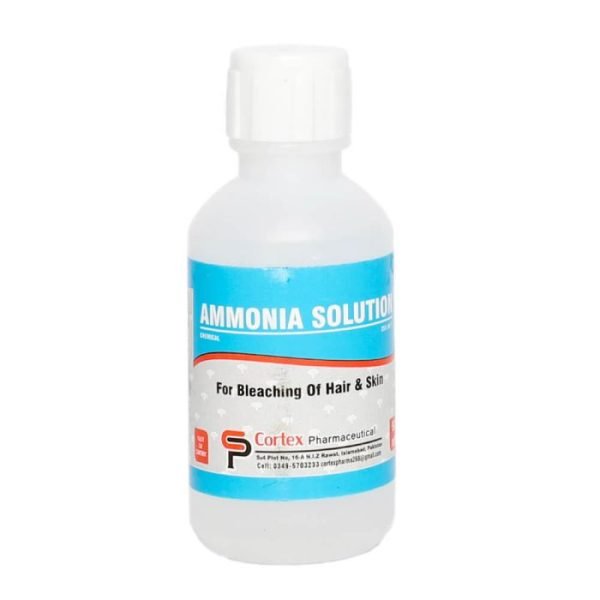
Description
The mechanism of action of Ammonia Solution is primarily attributed to its alkaline properties and the release of ammonium ions (NH4+) when it comes into contact with moisture. In medical contexts, Ammonia Solution is often used externally. When applied to the skin, it acts as a counter-irritant, meaning it produces a mild irritant effect that can help distract from or reduce the perception of other painful sensations. This action is thought to involve the stimulation of sensory receptors, which can override the transmission of pain signals. Additionally, the alkaline nature of ammonia can help in neutralizing acidic compounds on the skin’s surface, potentially contributing to its therapeutic effects in certain dermatological conditions.
Ingredients
Drug Class
Dosage Form
Uses
The following are the uses of Ammonia Solution:
- Used for cleaning and disinfection, especially in healthcare and laboratory settings.
- Used for removing stains and odors from fabrics and surfaces.
- Used as a refrigerant in industrial processes and commercial cooling systems.
- Used in the production of fertilizers, pharmaceuticals, and explosives.
- Used for treating wastewater and neutralizing acidic solutions.
- Used as a catalyst in various chemical reactions.
- Used for glass and mirror cleaning, leaving a streak-free shine.
In case of Overdose
In the case of an overdose of Ammonia Solution, individuals may experience severe symptoms. These can include intense burning sensations in the mouth, throat, and stomach, as well as difficulty breathing, chest pain, and severe abdominal pain. Immediate medical intervention is necessary, as delayed treatment can lead to life-threatening complications, including respiratory distress and chemical burns in the gastrointestinal tract. Prompt action is vital to mitigate the risks associated with ammonia solution overdoses.
Missed Dose
In the case of a missed dose of Ammonia Solution, it is generally not a cause for concern. Ammonia Solution is typically used for external applications or as a household cleaning agent. If you forget to use it at the recommended time, simply apply or use it as soon as you remember. There is no need to double the dose or overcompensate for the missed application. However, if you have any specific concerns or questions regarding missed doses, it is best to consult a healthcare professional or pharmacist for further guidance.
How To Use
To use Ammonia Solution, dilute the concentrated solution with water as directed by a healthcare professional, then apply it to the affected area using a clean cloth or cotton pad, ensuring proper ventilation during application.
When Not to Use
Following are the conditions/situations when Ammonia Solution should not be used:
- Avoid contact with eyes, skin, and mucous membranes. Inhalation of concentrated ammonia solution can cause severe respiratory irritation.
- Do not use near open flames or sources of ignition as ammonia is flammable.
- Not suitable for ingestion or internal use. It is meant for external applications only.
- Should not be used in individuals with a known sensitivity or allergy to ammonia or any of its compounds.
- Avoid using on broken or damaged skin, open wounds, or skin conditions like eczema or psoriasis.
- Not recommended for individuals with respiratory conditions such as asthma, as it can trigger or worsen symptoms.
- Keep out of reach of children and pets to prevent accidental ingestion or exposure.
- Do not use in enclosed spaces or areas with poor ventilation, as it can lead to the buildup of toxic fumes.
- Avoid mixing with certain chemicals like bleach, as it can produce toxic gases.
Side Effects
Here are the possible side effects of Ammonia Solution:
- Skin irritation or burns upon contact
- Eye irritation or burns if splashed in the eyes
- Respiratory irritation when inhaled
- Coughing or shortness of breath from exposure to fumes
- Nausea or vomiting due to inhalation of vapors
- Allergic reactions in sensitive individuals
- Potential chemical burns on prolonged contact with skin or mucous membranes
Precautions & Warnings
Following are the precautions and warnings:
- Ammonia Solution is highly irritating to the eyes, skin, and respiratory tract. Avoid direct contact and wear protective gear like gloves, goggles, and masks when handling.
- Never mix Ammonia Solution with bleach or other cleaning agents, as it can release toxic gases like chloramine.
- Ensure proper ventilation in the area where Ammonia Solution is being used to prevent inhalation of fumes.
- Keep out of reach of children and pets. Store in a secure location away from heat and direct sunlight.
- In case of accidental ingestion, do not induce vomiting. Immediately seek medical attention and show the label to medical professionals.
- Do not use on sensitive surfaces like silk, wool, or certain types of jewelry, as it may cause damage.
- Ammonia Solution should be used in a well-ventilated area to prevent the buildup of fumes, which can be harmful if inhaled.
- People with respiratory conditions like asthma should be cautious when using Ammonia Solution and avoid inhalation.
Drug Interactions
Following are the drug interactions for Ammonia Solution:
- Antacids containing aluminum, such as aluminum hydroxide, may decrease the absorption of ammonia, reducing its effectiveness.
- Ammonia solution may increase the effects of alpha-adrenergic blockers, causing excessive hypotension.
- When used with certain antibiotics like neomycin, the absorption of ammonia can be reduced, affecting its efficacy.
- It may interact with beta-adrenergic blockers, leading to increased risk of respiratory depression.
- Caution is advised when using Ammonia Solution with central nervous system (CNS) depressants, as it may enhance their effects, including respiratory depression.
- Ammonia can affect the pH of the gastrointestinal tract, potentially reducing the absorption of some medications, including ketoconazole.
- The use of Ammonia Solution with other topical agents on the skin may increase the risk of skin irritation and chemical burns.
Food Interactions
Following are the food interactions for Ammonia Solution:
- Avoid consuming foods or beverages with high acid content, such as citrus fruits and juices, as they can react with Ammonia Solution and produce unwanted compounds.
- Do not drink alcohol while using Ammonia Solution, as it can irritate the stomach and may increase the risk of side effects.
- Avoid carbonated drinks, as the carbonation can cause the release of ammonia gas, leading to discomfort and potential harm.
- Spicy and hot foods should be limited, as they can irritate the digestive tract and exacerbate any existing gastrointestinal issues.
- Dairy products like milk and yogurt can help neutralize the acidic environment in the stomach, reducing the potential irritation caused by Ammonia Solution.
- Consuming foods rich in protein and amino acids can support the body’s natural detoxification processes and help minimize the impact of ammonia.
- Stay well-hydrated by drinking plenty of water to aid in the dilution and excretion of ammonia from the body.
- Avoid high-protein diets, as excessive protein intake can increase the production of ammonia in the body, potentially affecting its elimination.
Storage/Disposal
Storage and disposal of Ammonia Solution should be done with caution. Keep the solution in its original container, tightly sealed, and store it in a cool, well-ventilated area away from direct sunlight, heat sources, and flammable materials. Ensure the storage area is secure to prevent unauthorized access. Do not store it near food items or beverages. When disposing of the solution, do not pour it down the drain or into water bodies. Contact your local waste management authorities or chemical disposal facilities for instructions on proper disposal methods, as they may have specific guidelines for handling ammonia-based products. Handle with care and follow safety precautions to minimize risks during storage and disposal.