Express delivery and free returns within 28 days

PDH-161-Alkacitron-Syrup

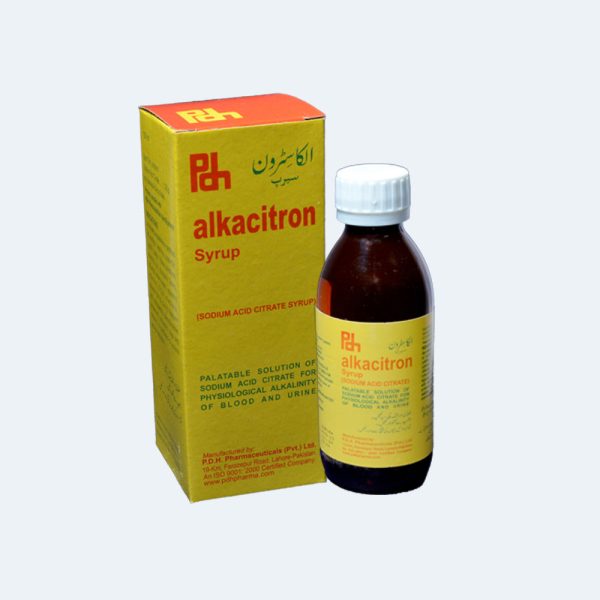
Alkacitron Syrup 120Ml

99.00

Quantity:

Description

Sodium Acid Citrate Syrup/Suspension acts primarily by providing a balanced combination of sodium and citrate ions. Citrate ions play a crucial role in this mechanism. When administered, citrate ions bind to calcium in the blood, forming a soluble calcium citrate complex. This complex reduces the concentration of free calcium ions, which in turn helps to prevent the formation of calcium-based kidney stones. By chelating calcium, citrate promotes the excretion of calcium in the urine, thereby reducing the risk of stone formation. Additionally, citrate ions can also help to alkalize the urine, creating an environment less favorable for the precipitation of uric acid and other substances that contribute to stone formation.

Ingredients

Sodium Acid Citrate

Drug Class

Anticoagulant

Dosage Form

Suspension

Uses

The following are the uses of Sodium Acid Citrate Syrup/Suspension:

  • Used for anticoagulant purposes, primarily in blood collection tubes for accurate laboratory testing.
  • Used for preventing blood clotting during cardiac surgeries and procedures, ensuring smooth blood flow.
  • Used for maintaining the patency of intravenous (IV) lines, preventing clot formation.
  • Used in certain food applications as an acidity regulator and preservative.
  • Used to treat metabolic acidosis, especially in cases of kidney disorders, by balancing acid-base levels.
  • Used as a component in specific dialysis solutions to support patients with kidney failure.
  • Used in research and pharmaceutical formulations for its buffering properties.
  • Used in rare cases as a supplement to manage calcium and citrate levels in the body.

    In case of Overdose

    In the case of an overdose of Sodium Acid Citrate Syrup/Suspension, symptoms may include nausea, vomiting, abdominal pain, and diarrhea. Severe cases can lead to electrolyte imbalances, dehydration, and in extreme instances, kidney damage. Promptly seek medical advice, and ensure you provide the healthcare professional with details of the medication and the approximate amount ingested. Early intervention and supportive care are essential in managing overdose cases.

    Missed Dose

    In the case of a missed dose of Sodium Acid Citrate Syrup/Suspension, it is important to take the medication as soon as you remember. However, if it is almost time for your next dose, skip the missed dose and continue with your regular dosing schedule. Do not double the dose to make up for a missed one. If you miss several doses, inform your healthcare professional and follow their advice on how to safely resume your medication regimen.

    How To Use

    To use Sodium Acid Citrate Syrup/Suspension, shake the bottle vigorously to ensure a homogeneous mixture, then accurately measure the prescribed dose using a calibrated measuring cup or oral syringe, and administer the medication orally, following the dosage instructions provided by your healthcare professional, typically taken once or twice daily as directed.

    When Not to Use

    Here are the conditions and situations when Sodium Acid Citrate Syrup/Suspension should not be used:

    • Avoid using in individuals with a known allergy or hypersensitivity to Sodium Acid Citrate or any of its ingredients.
    • Not suitable for patients with severe kidney disease or individuals with significantly impaired kidney function.
    • Contraindicated in patients with severe dehydration, as it may worsen the condition.
    • Should not be used in patients with high blood levels of citrate or alkalosis (high blood pH).
    • Avoid using in individuals with a history of gastrointestinal obstruction or severe gastrointestinal disorders.
    • Not recommended for infants or very young children due to the risk of electrolyte imbalance.
    • Should be used with caution and under medical supervision in patients with heart disease or those taking cardiac medications.

      Side Effects

      The side effects of Sodium Acid Citrate Syrup/Suspension may include:

      • Abdominal pain
      • Nausea and vomiting
      • Diarrhea
      • Allergic reactions (such as skin rash, itching, or swelling)
      • Dizziness
      • Headache
      • Increased thirst
      • Electrolyte imbalances (e.g., low calcium levels)

        Precautions & Warnings

        Following are the precautions and warnings for Sodium Acid Citrate Syrup/Suspension:

        • Not suitable for individuals with a known allergy to Sodium Acid Citrate or any of its ingredients.
        • Patients with kidney issues should use with caution and consult a healthcare professional, as dosage adjustments might be necessary.
        • This medication may cause drowsiness or dizziness, so activities requiring alertness should be avoided until the full effects are known.
        • Not recommended for children without medical advice, as dosage should be determined by a healthcare provider.
        • Avoid alcohol consumption while using Sodium Acid Citrate as it may increase the risk of side effects.
        • If you have a medical condition or are taking other medications, consult your doctor or pharmacist before use.
        • Pregnant and breastfeeding women should seek medical advice before taking this medication to ensure safety.

          Drug Interactions

          Following are the drug interactions for Sodium Acid Citrate Syrup/Suspension:

          • It can interact with aluminum-containing medications, such as antacids, reducing the effectiveness of Sodium Acid Citrate.
          • May decrease the absorption of certain antibiotics like tetracyclines and fluoroquinolones, leading to reduced antibiotic efficacy.
          • Sodium Acid Citrate can potentially increase the effects of blood pressure medications, requiring close monitoring.
          • It may enhance the anticoagulant effect of blood thinners, necessitating dosage adjustments.
          • Interaction with diuretics can lead to electrolyte imbalances, especially in patients with kidney impairment.
          • Can reduce the excretion of certain medications, including lithium and digoxin, increasing their blood levels and risk of toxicity.
          • May interfere with the absorption of calcium and vitamin D supplements, affecting bone health.

            Food Interactions

            Following are the food interactions for Sodium Acid Citrate Syrup/Suspension:

            • Avoid excessive salt intake, as Sodium Acid Citrate already contains sodium, and high salt consumption may lead to increased blood pressure.
            • Limit acidic foods like citrus fruits and tomatoes, as they can interact with the citrate in the medication, potentially affecting its effectiveness.
            • Avoid alcohol consumption, as it can interfere with the body’s acid-base balance, reducing the medication’s efficacy.
            • Dairy products, especially milk, may decrease the absorption of Sodium Acid Citrate, so consider taking the medication at a separate time from dairy intake.
            • Grapefruit and grapefruit juice should be consumed cautiously, as they can alter the metabolism of certain medications, potentially affecting their effectiveness.
            • High-sugar foods and beverages should be limited, as they can contribute to tooth decay, especially relevant with syrup/suspension formulations.
            • Ensure adequate fluid intake to prevent dehydration, as Sodium Acid Citrate can act as a diuretic in some individuals.
            • Spicy foods may irritate the gastrointestinal tract, potentially exacerbating any existing discomfort, especially if the medication is used for digestive issues.

              Storage/Disposal

              Sodium Acid Citrate Syrup/Suspension should be stored in a cool, dry area, preferably at room temperature, and shielded from direct sunlight and moisture. Ensure the medication is tightly sealed within its original packaging to maintain its integrity and prevent contamination. Steer clear of storage locations like bathrooms or areas in close proximity to heat sources such as stoves or radiators, as extreme temperatures can compromise the medication’s stability. Prior to use, verify the expiration date on the packaging, and properly dispose of any unused or expired syrup; refrain from flushing it down the toilet or pouring it into drains. Consult your pharmacist or healthcare professional for guidance on safe disposal practices. Additionally, ensure the medication is kept out of children’s reach to prevent accidental ingestion.