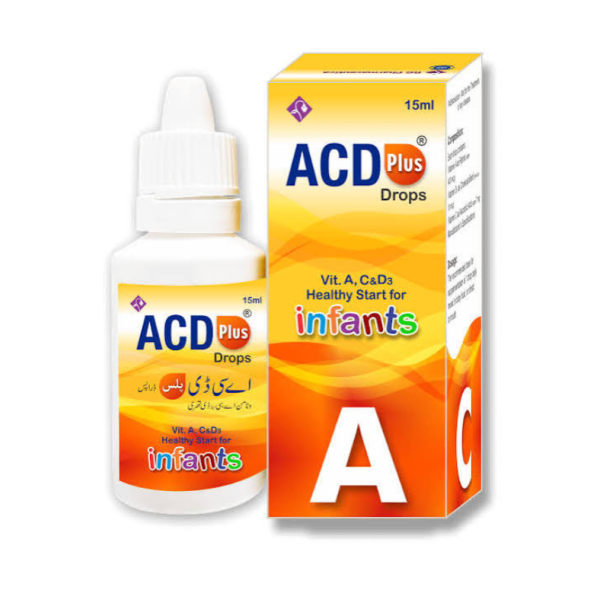
Vitamin A primarily acts through its active metabolite, retinoic acid, which binds to nuclear receptors and regulates gene expression, influencing cellular differentiation, growth, and immune function, particularly in the retina, skin, and immune cells. Vitamin C, or ascorbic acid, is a potent antioxidant that neutralizes reactive oxygen species, reducing oxidative stress and supporting various enzymatic reactions involved in collagen synthesis and immune function. Vitamin D3, upon exposure to sunlight or ingestion, undergoes hydroxylation in the liver and kidneys to form its active form, 1,25-dihydroxyvitamin D3, which binds to the vitamin D receptor in target cells, regulating calcium and phosphate metabolism, promoting bone mineralization, and modulating immune responses by influencing the expression of various genes.
Ingredients
Vitamin A, C and D
Drug Class
Dosage Form
Uses
The following are the uses of Vitamin A, C and D 3 Drop:
- Used for maintaining healthy vision and supporting the immune system.
- Used for promoting skin health and wound healing.
- Used for strengthening bones and teeth, and aiding in calcium absorption.
- Used for enhancing the immune response and reducing inflammation.
- Used for supporting reproductive health and fetal development.
- Used for protecting against certain types of cancers and chronic diseases.
- Used for maintaining healthy skin, collagen production, and wound repair.
- Used for boosting the immune system and acting as an antioxidant.
In case of Overdose
In the case of an overdose of Vitamin A, symptoms may include nausea, headache, and skin irritation. For Vitamin C, gastrointestinal issues like diarrhea and stomach cramps can occur. An overdose of Vitamin D can lead to excessive thirst, frequent urination, and in severe cases, kidney problems. It is important to note that these symptoms may vary in intensity depending on the individual and the amount of vitamin ingested. Seeking medical advice is recommended if an overdose is suspected to ensure appropriate treatment and management.
Missed Dose
In the case of a missed dose of Vitamin A, C, or D, it is important to take the missed dose as soon as you remember. However, if it is almost time for your next dose, skip the missed dose and continue with your regular dosing schedule. Do not take a double dose to make up for a missed one. For Vitamin A, if you miss a dose, take it as soon as possible, but skip it if it’s almost time for your next dose. With Vitamin C, missed doses can be taken as soon as you remember, but avoid taking double doses. For Vitamin D, if a dose is missed, take it when you remember, but if it’s close to the next dose, skip it and maintain the regular schedule.
How To Use
To administer the Vitamin A, C, and D3 drops, gently squeeze the desired number of drops onto a clean spoon or directly into the mouth, following the recommended dosage provided by your healthcare professional. Ensure you follow the instructions carefully, administering the drops once daily, preferably at the same time each day, and you can take them with or without food, depending on your preference.
When Not to Use
Following are the conditions/situations when Vitamin A, C, and D3 Drops should not be used:
- Allergy Should not be used if the individual has a known allergy or hypersensitivity to any of the vitamins (Vitamin A, C, or D) or any of the excipients in the formulation.
- Vitamin A Toxicity Not suitable for individuals who have pre-existing high levels of vitamin A in their body or those showing signs of vitamin A toxicity.
- Hypervitaminosis D Should be avoided in cases of elevated vitamin D levels or hypercalcemia (high blood calcium levels).
- Kidney Stones Not recommended for individuals with a history of kidney stones or conditions that increase the risk of calcium-containing kidney stones.
- Hyperoxaluria Contraindicated in individuals with hyperoxaluria (excessive oxalate in the urine).
- Thrombophlebitis Should not be used in individuals with thrombophlebitis (vein inflammation due to a blood clot).
- Uncontrolled Hyperthyroidism Avoid use in cases of uncontrolled hyperthyroidism (overactive thyroid).
Side Effects
The side effects of Vitamin A, C, and D3 Drops may include:
- Nausea and vomiting
- Diarrhea
- Stomach cramps
- Dry, peeling skin
- Itchy or flaky skin
- Increased sensitivity to sunlight
- Changes in skin pigmentation
Precautions & Warnings
Following are the precautions and warnings for Vitamin A, C, and D3 Drops:
- Do not exceed the recommended dosage, as high doses of Vitamin A and D can be harmful.
- Keep out of reach of children. Accidental overdose of Vitamin D in children can lead to serious side effects.
- Individuals with a history of kidney stones or kidney disease should use Vitamin C with caution, as high doses may increase the risk of kidney stone formation.
- Consult a healthcare professional if you have any underlying medical conditions or are taking other medications.
- Avoid using this product if you are allergic to any of its ingredients.
- Vitamin A supplementation should be used cautiously during pregnancy and breastfeeding, as excessive amounts may cause harm.
- Prolonged use of high-dose Vitamin C may lead to gastrointestinal issues, and regular monitoring is advised.
Drug Interactions
Following are the drug interactions for Vitamin A, C, and D3 Drops:
- Vitamin A may reduce the effectiveness of oral contraceptives and increase the risk of birth defects when taken with isotretinoin.
- High doses of Vitamin C can interfere with the absorption of vitamin B12, leading to potential deficiency.
- Vitamin D can interact with certain medications like thiazide diuretics, increasing calcium levels in the blood.
- Antacids containing calcium or magnesium may impair the absorption of Vitamin D3.
- Corticosteroids, anti-seizure medications, and cholestyramine can reduce Vitamin D absorption and activity.
- Taking Vitamin D with certain cholesterol-lowering medications (bile acid sequestrants) may require adjusting the dose.
- Orlistat, a weight-loss medication, may decrease the absorption of fat-soluble vitamins like Vitamins A, D, and E.
Food Interactions
Following are the food interactions for Vitamin A, C, and D3:
- Vitamin A, Avoid excessive alcohol consumption as it may reduce the liver’s ability to convert vitamin A to its active form. High intake of vitamin A-rich foods like liver, fish oil, and supplements should be monitored to prevent toxicity.
- Vitamin C, Avoid excessive consumption of vitamin C-rich foods like citrus fruits, berries, and supplements simultaneously as it may lead to stomach upset and diarrhea. Vitamin C can enhance iron absorption, so pair it with iron-rich foods.
- Vitamin D3, Fatty fish like salmon, mackerel, and certain mushrooms are rich in vitamin D3. Pairing vitamin D with a healthy fat source can enhance absorption. Calcium-rich foods can be consumed with vitamin D for better bone health.
Storage/Disposal
Vitamin A, C, and D3 Drops should be stored in a cool, dry place, preferably at room temperature, ensuring they are kept away from direct sunlight, heat, and moisture to maintain their potency. It is crucial to store them in their original container, tightly sealed, to prevent contamination. Remember to check the expiration date regularly and dispose of any expired or unused drops appropriately, avoiding disposal through drains or toilets. Always keep medications out of children’s reach to prevent accidental ingestion. When disposing of the drops, consult a pharmacist or healthcare professional for guidance on safe disposal practices to minimize environmental impact.