Usage And Safety
Dosage
Adults : Gall stones : 8-12mg/kg daily in two divided doses after meals; one dose always after evening meal. Continue treatment until two successive cholecystogram or ultrasound fail to detect gallstones . Biliary cirrhosis : 12-16mg/kg daily in three divided doses. If liver function improves after 3 months , total daily dose may be given as a single evening dose. Children : Not recommended or as directed by your physician.
Side Effects
Diarrhoea , itching/pruritus , urticaria (nettle rash) , allergic reactions , nausea/vomiting , sleep disturbance , pain in the stomach area or in the upper right part of the abdomen, under the ribs , severe right-sided upper abdominal pain , severe worsening (decompensation) of liver tissue damage .
Drug Interactions
Colestyramine, colestipol or antacids containing aluminium hydroxide and/or smectite (aluminium oxide), ciclosporin , budesonide , clofibrate , rosuvastatin.
Indication
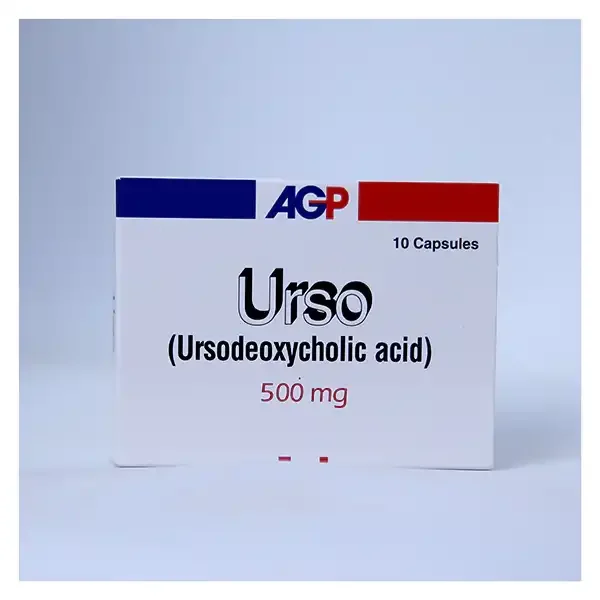
Ursodeoxycholic acid is indicated in the treatment of primary biliary cirrhosis (PBC) and for the dissolution of radiolucent gallstones in patients with a functioning gall bladder.
When not to Use
Do not take if you are allergic to any medicine containing ursodeoxycholic acid, bile acids or any of the ingredients . You have a bile duct or gall bladder that is swollen, painful or blocked. You have certain types of cholesterol stones or bile pigment stones . Your doctor advises you that you will have your gall bladder removed.
Warnings
Warning 1
During the first 3 months of treatment, liver function parameters ASAT (SGOT), ALAT (SGPT) and ?-GT should be monitored by the physician every 4 weeks, thereafter every 3 months. Apart from allowing for identification of responders and non-responders in patients being treated for primary biliary cirrhosis, this monitoring would also enable early detection of potential hepatic deterioration, particularly in patients with late stage primary biliary cirrhosis.
Warning 2
In order to assess therapeutic progress and for timely detection of any calcification of the gallstones, depending on stone size, the gall bladder should be visualised (oral cholecystography) with overview and occlusion views in standing and supine positions (ultrasound control) 6-10 months after the beginning of treatment.
Warning 3
If the gall bladder cannot be visualised on X-ray images, or in cases of calcified gallstones, impaired contractility of the gall bladder or frequent episodes of biliary colic, Ursodeoxycholic acid should not be used.