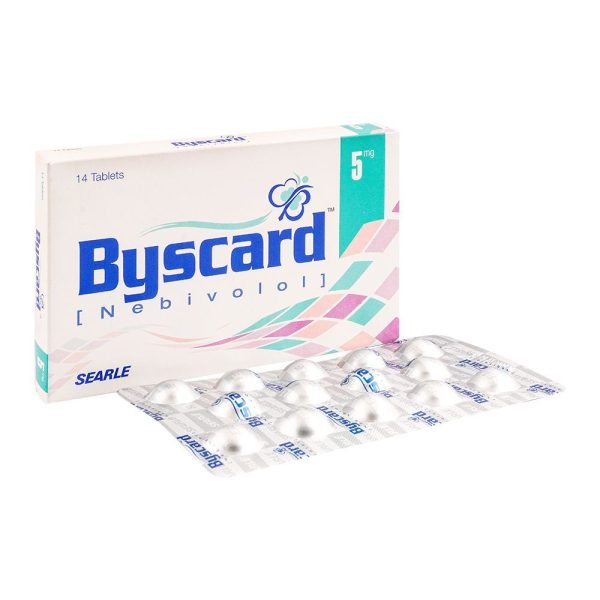
Usage And Safety
Dosage
Hypertension – Adults : The dose is one tablet (5mg) daily, preferably at the same time of the day. Tablets may be taken with or without meals. The initial up titration should be done at 1-2 weekly intervals based on patient tolerability. The maximum recommended dose is 10mg nebivolol once daily . Elderly : In patients over 65 years, the recommended starting dose is 2.5mg daily. If needed, the daily dose may be increased to 5mg. Children : Not recommended. Or As directed by your physician.
Side Effects
Common: Headache, dizziness, paresthesia, dyspnea, constipation, nausea, diarrhea, tiredness, edema.Uncommon: Nightmares, depression, impaired vision, bradycardia, heart failure, slowed AV conduction/AV-block, hypotension, (increase of) intermittent claudication, bronchospasm, dyspepsia, flatulence, vomiting, pruritus, rash, erythematous, impotence.Rare: Syncope, psoriasis aggravated.
Drug Interactions
Phenylalkylamine [verapamil] and benzothiazepine [diltiazem] classes) or antiarrhythmic agents such as disopyramide , digitalis glycosides and ß-blockers , reserpine or guanethidine , clonidine , CYP2D6 inhibitors (quinidine, propafenone, fluoxetine, paroxetine ) , Cimetidine , Sildenafil.
Indication
For the treatment of essential hypertension, stable, mild and moderate chronic heart failure in addition to standard therapies in elderly patients 70 years and may be used alone or in combination with other anti-hypertensive agents.
When not to Use
Nebivolol is contraindicated in patients with:- Hypersensitivity to the active substance or to any of the components.- Severe hepatic insufficiency.- Acute heart failure, cardiogenic shock or episodes of heart failure decompensation requiring I.V. inotropic therapy.- Sick sinus syndrome, including sino-atrial block.- Second and third degree heart block (without a pacemaker).- History of bronchospasm and bronchial asthma.- Untreated phaeochromocytoma.- Metabolic acidosis.- Bradycardia (heart rate < 60bpm prior to start of therapy).- Hypotension (systoli c blood pressure < 90mmHg).- Severe peripheral circulatory disturbances.
Warnings
Warning 1
Care should be taken in diabetic patients however, as nebivolol may mask certain symptoms of hypoglycemia (tachycardia, palpitations). ß-adrenergic blocking agents may mask tachycardic symptoms in hyperthyroidism. Abrupt withdrawal may intensify symptoms.
Warning 2
The treatment with nebivolol is not recommended to be stopped abruptly since this might lead to a transitory worsening of heart failure. If discontinuation is necessary, the dose should be gradually decreaseddivided into halves weekly. If the angina worsens or acute coronary insufficiency develops, it is recommended that nebivolol be promptly reinstituted, at least temporarily.
Warning 3
ß-blockers can precipitate or aggravate symptoms of arterial insufficiency in patients with peripheral vascular diseases. Caution should be exercised in these patients.