₨37.50
Yes
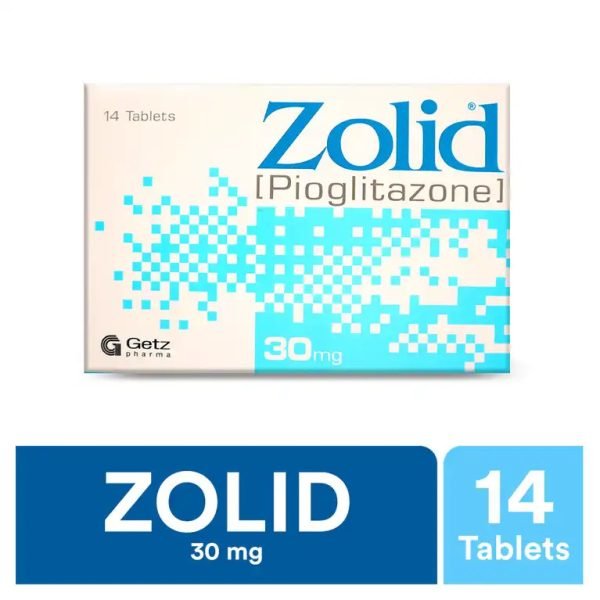
Pioglitazone HCl
Diabetes
Pioglitazone is a thiazolidinedione antidiabetic agent that depends on the presence of insulin for its mechanism of action. Pioglitazone decreases insulin resistance in the periphery and in the liver resulting in increased insulin-dependent glucose disposal and decreased hepatic glucose output. Unlike sulfonylureas, pioglitazone is not an insulin secretagogue. Pioglitazone is a potent and highly selective agonist for peroxisome proliferator-activated receptor-gamma (PPAR?). PPAR receptors are found in tissues important for insulin action such as adipose tissue, skeletal muscle, and liver. Activation of PPAR? nuclear receptors modulates the transcription of a number of insulin responsive genes involved in the control of glucose and lipid metabolism.
Monotherapy : Adults 15-30 mg once daily , increasing to 45mg once daily if necessary . Combination Therapy : Adults 15-30mg once daily , increasing to 45mg once daily if necessary, in combination with current dose of metformin or sulphonylureas. Children : Not Recommended. Always consult your physician or pharmacist for dose adjustment.
Very Common : Hypoglycaemia, edema.Common : Visual disturbances, upper respiratory tract infection, weight increase, hypoaesthesia, anemia, arthralgia, headache, haematuria, erectile dysfunction, flatulence, dizziness, blood creatine phosphokinase increase, bronchitis, back pain, dyspnoea, heart failure.Rare : Sinusitis, flatulence, vertigo, fatigue, increased lactic dehydrogenase, appetite increased, hypoglycaemia, headache, glycosuria, proteinuria, sweating.
Midazolam, Gemfibrozil, Rifampicin.
It is indicated as an adjunct to diet and exercise to improve glycemic control in adults with type 2 diabetes mellitus.
Pioglitazone is contraindicated in patients with: • Hypersensitivity to the active substance or to any of the excipients. • Cardiac failure or history of cardiac failure (NYHA stages I to IV). • Hepatic impairment • Diabetic ketoacidosis.
Pioglitazone exerts its antihyperglycemic effect only in the presence of insulin. Therefore, pioglitazone should not be used in patients with type 1 diabetes or for the treatment of diabetic ketoacidosis.
Patients receiving pioglitazone in combination with insulin or oral hypoglycemic agents may be at risk for hypoglycemia, and a reduction in the dose of the concomitant agent may be necessary.
Pioglitazone may cause decreases in hemoglobin and hematocrit.
Dose related weight gain may occur with pioglitazone alone and in combination with other hypoglycemic agents.
Always consult your physician before using any medicine.
Store this medicine at room temperature, away from direct light and heat.