Express delivery and free returns within 28 days

1

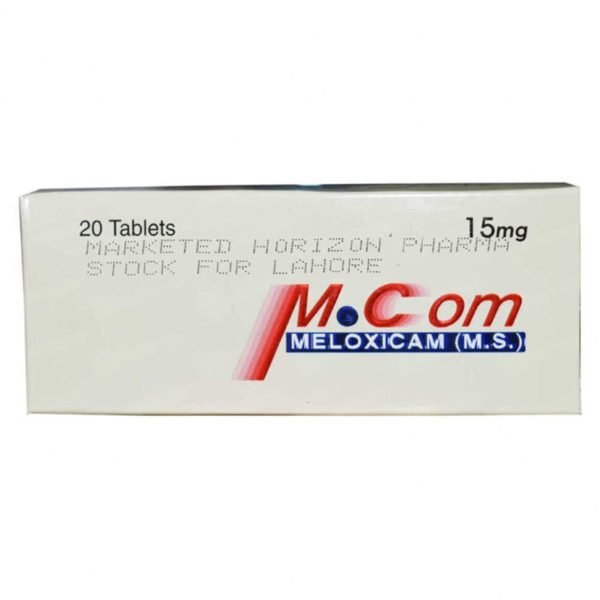
M.Com Tablets 15mg

13.80

Quantity:
SKU: MD-5338 Categories: , , ,

Description

Description

Meloxicam 15mg Tablet is a nonsteroidal anti-inflammatory drug (NSAID) used primarily to treat pain and inflammation caused by conditions such as osteoarthritis, rheumatoid arthritis, and juvenile arthritis. It works by reducing the production of prostaglandins, chemicals in the body that promote inflammation, pain, and fever. By inhibiting these chemicals, meloxicam helps to alleviate symptoms such as swelling, stiffness, and pain. It is commonly prescribed to manage chronic conditions involving joint pain and inflammation, providing relief for patients with arthritis. The tablet should be taken as directed by a healthcare provider to ensure safety and effectiveness.

Ingredients

Meloxicam 15mg

Drug Class

NSAID

Dosage Form

Tablet

Uses

Following are the uses of Meloxicam 15mg Tablet:

  • Used to relieve pain and inflammation associated with osteoarthritis and rheumatoid arthritis.
  • Helps manage symptoms of ankylosing spondylitis, a condition that causes inflammation in the spine and pelvis.
  • Provides relief from pain and swelling following surgery or injury.
  • Effective in treating conditions involving inflammation and pain in the joints, muscles, and tissues.
  • Can be used to alleviate discomfort associated with juvenile arthritis in children.
  • Helps reduce stiffness and improve mobility in patients suffering from chronic inflammatory conditions.
  • Provides long-term relief from pain and inflammation, making it suitable for the management of chronic pain disorders.

    Dosage

    Dosage of Meloxicam 15mg Tablet:

    • For adults, the typical dose is 7.5 mg once daily, which can be increased to 15 mg once daily depending on the severity of the condition and as directed by a healthcare provider.
    • For osteoarthritis or rheumatoid arthritis, the starting dose is often 7.5 mg daily, which may be increased to 15 mg daily if needed for optimal pain relief.
    • For ankylosing spondylitis, the recommended dose is typically 15 mg once daily.
    • Meloxicam should be taken orally, with or without food, and swallowed whole with a glass of water.
    • If you miss a dose, take it as soon as you remember, but do not take two doses at once to make up for the missed one.

      In case of Overdose

      In case of an overdose of Meloxicam 15mg Tablet, it is important to seek immediate medical attention. Overdose symptoms may include severe gastrointestinal upset, drowsiness, dizziness, nausea, vomiting, or an increase in blood pressure. In such cases, a healthcare professional may administer supportive treatment, such as activated charcoal, to limit absorption if the overdose is recent. They may also monitor kidney function and provide other medical interventions as necessary to manage the symptoms. It is crucial not to attempt self-treatment and to go to the nearest emergency facility for evaluation and management. Always contact your healthcare provider or poison control center immediately if an overdose is suspected.

      Missed Dose

      In case of a missed dose of Meloxicam 15mg Tablet, take the missed dose as soon as you remember, unless it is nearly time for your next scheduled dose. If it is almost time for the next dose, skip the missed dose and continue with your regular dosing schedule. Do not take two doses at once to make up for the missed dose, as doing so could increase the risk of side effects such as gastrointestinal discomfort, bleeding, or kidney issues. If you are unsure about what to do or have concerns, consult your healthcare provider for guidance. Always follow your healthcare provider’s instructions to ensure safe and effective use of the medication.

      How To Use

      Meloxicam 15mg Tablet typically it should be taken once daily, with or without food, depending on your healthcare provider’s recommendations. Swallow the tablet whole with a glass of water. Do not chew, crush, or break the tablet, as this may affect its effectiveness.

      When Not to Use

      When not to use Meloxicam 15mg Tablets:

      • If you are allergic to meloxicam, other NSAIDs, or any of the ingredients in the formulation.
      • In individuals with a history of gastrointestinal bleeding, active peptic ulcers, or inflammatory bowel disease, as meloxicam may worsen these conditions.
      • Avoid use in patients with severe liver or kidney impairment, as meloxicam can further damage these organs.
      • Do not use if you have a history of heart disease, high blood pressure, or stroke, as meloxicam may increase the risk of cardiovascular events.
      • If you are pregnant, especially in the third trimester, or breastfeeding, as meloxicam may harm the fetus or infant.
      • Avoid using meloxicam in combination with other NSAIDs, as this can increase the risk of side effects such as gastrointestinal bleeding or kidney damage.

        Side Effects

        Side effects of Meloxicam may include:

        • Stomach pain
        • Nausea
        • Headache
        • Dizziness
        • Diarrhea
        • Rash
        • Swelling
        • High blood pressure
        • Liver problems
        • Gastrointestinal bleeding

          Precautions & Warnings

          Precautions and Warnings for Meloxicam 15mg Tablets include:

          • Use with caution in individuals with a history of gastrointestinal disorders such as ulcers, bleeding, or Crohn’s disease, as meloxicam can worsen these conditions.
          • Do not exceed the recommended dose of meloxicam, as higher doses can increase the risk of gastrointestinal bleeding, kidney damage, and cardiovascular problems.
          • If you have liver or kidney issues, use meloxicam carefully, as it can worsen these conditions or cause further organ damage.
          • Meloxicam should be avoided during pregnancy, particularly in the third trimester, as it can harm the fetus. Consult your healthcare provider if you are planning to become pregnant or are breastfeeding.
          • Use with caution if you have high blood pressure, heart disease, or a history of stroke, as meloxicam may increase the risk of cardiovascular events.
          • If you experience any signs of an allergic reaction, such as rash, swelling, or difficulty breathing, discontinue use immediately and seek medical attention.
          • Alcohol consumption should be limited while using meloxicam, as it may increase the risk of stomach ulcers or gastrointestinal bleeding.
          • Regular monitoring of kidney and liver function is advised during long-term use, especially for those with pre-existing conditions.
          • Meloxicam can cause fluid retention and may not be suitable for individuals with heart or kidney conditions requiring fluid management.

            Drug Interactions

            Drug Interactions for Meloxicam 15mg Tablets include:

            • Meloxicam may interact with anticoagulants like warfarin, increasing the risk of bleeding due to its effect on blood clotting.
            • Concurrent use of meloxicam with other NSAIDs, such as ibuprofen or aspirin, can increase the risk of gastrointestinal ulcers, bleeding, and kidney damage.
            • Combining meloxicam with certain blood pressure medications, like ACE inhibitors, diuretics, or angiotensin II receptor antagonists, may impair kidney function and reduce their effectiveness.
            • Meloxicam may increase the levels of lithium in the blood, which could lead to lithium toxicity.
            • Use of meloxicam with corticosteroids can enhance the risk of gastrointestinal side effects, such as ulcers or bleeding.
            • Meloxicam may interact with methotrexate, increasing the risk of toxicity, particularly in high doses.
            • If you are taking medications to lower blood pressure (e.g., beta-blockers, diuretics), meloxicam may reduce their effectiveness in lowering blood pressure.
            • Concurrent use of meloxicam with cyclosporine may increase the risk of kidney damage.

              Food Interactions

              Food Interactions for Meloxicam 15mg Tablets include:

              • Taking meloxicam with food may help reduce the risk of gastrointestinal irritation or discomfort, such as stomach upset or ulcers.
              • Avoid consuming alcohol while taking meloxicam, as it can increase the risk of gastrointestinal bleeding, ulcers, and liver damage.
              • High-fat meals may delay the absorption of meloxicam, although this does not significantly affect its overall effectiveness.
              • It is important to avoid excessive intake of foods high in potassium while taking meloxicam, as it can potentially increase potassium levels in the blood, especially in individuals with kidney issues.
              • Grapefruit and grapefruit juice may interact with meloxicam, affecting its metabolism and potentially increasing the risk of side effects. It is advisable to limit grapefruit consumption while on this medication.

                Storage/Disposal

                Meloxicam 10 mg tablets should be stored at room temperature, away from direct light and moisture. Keep the medication in its original container, tightly closed, and out of the reach of children. Do not store it in a bathroom or other humid areas. If you need to dispose of unused or expired meloxicam, do not flush it down the toilet or pour it into a drain. Instead, follow any specific disposal instructions provided by your pharmacist or local waste disposal guidelines. Alternatively, you can take the medication to a local take-back program for safe disposal. Always ensure that unused medication is disposed of properly to avoid accidental ingestion or misuse.