Requires Prescription (YES/NO)
Yes
Generics
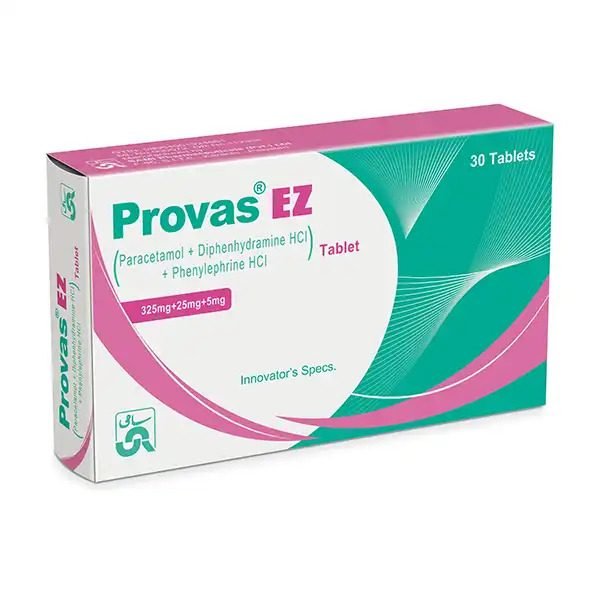
Paracetamol + Diphenhydramine HCI + Phenylephrine HCI
How it works
Paracetamol: Paracetamol is an analgesic and antipyretic. The therapeutic effects of paracetamol are thought to be related to inhibition of prostaglandin synthesis, as a resultof the inhibition of cyclo-oxygenase. The antipyretic action of paracetamol appears to stem from a direct action on the hypothalamic heat-regulating centres, producingperipheral vasodilation, and consequent loss of heat. Diphenhydramine hydrochloride: Diphenhydramine hydrochloride is an antihistamine that competes with histamine for receptor sites on effector cells. The compound also possesses antispasmodic, antitussive, antiemetic, sedative and secretolytic effects. Phenylephrine hydrochloride: Phenylephrine hydrochloride is a sympathomimetic decongestant; relieves symptoms resulting from irritation of upper respiratory tract tissue; shrinks swollen mucous membranes, reduces nasal congestion & tissue hyperemia.
Usage And Safety
Dosage
Adults and children 12 years and over: Two tablets every 4 hours. Do not take more than 10 tablets, in 24 hours or as prescribed by physician. Children under 12 years: Not recommended for children under 12 years of age. Hepatic Dysfunction: Caution should be exercised when administering this medicine to patients with severe hepatic impairment. Renal Dysfunction: Caution should be exercised when administering this medicine to patients with moderate to severe renal impairment OR As directed by your physician .
Side Effects
Hypertension, hypotension, reflex tachycardia, tachycardia, severe peripheral and visceral vasoconstriction, dizziness, excitability, headache, restlessness, sedation, sleepiness, tremor, dermatologic rash, increased appetite, xerostomia, anaemia blood dyscrasias (neutropenia, pancytopenia, leukopenia), bilirubin and alkaline phosphatase may increase, urinary retention.
Drug Interactions
Cardiac glycosides, Ergot alkaloids (ergotamine & methysergide), Oxytocin, Anaesthetic agents, Hepatic microsomal enzyme inducers, Metoclopramide/domperidone/cholestyramine , Anticoagulants, Alcohol, Anti-muscarinic drugs, Monoamine oxidase inhibitors (including moclobemide) , monoamine oxidaseinhibitors, Sympathomimetic amines, Beta-blockers and other antihypertensives (including debrisoquine, guanethidine, reserpine, methyldopa): Phenylephrine hydrochloride, Tricyclic antidepressants (e.g. amitriptyline), Warfarin and other coumarins .
Indication
For the relief of the symptoms associated with colds and influenza. Temporarily relieves these symptoms of hay fever or other upper respiratory allergies: Headache. Nasal congestion, sneezing, runny nose, sinus congestion and pressure. Itchy watery eyes, itching of the nose or throat. Minor aches and pains.
When not to Use
Contraindicated in individuals with known hypersensitivity to any active ingredient of the product. With any other drug containing acetaminophen (prescription or nonprescription). With any other product containing diphenhydramine hydrochloride, even one used on skin. Concomitant use of other sympathomimetic decongestants, beta-blockers or monoamine oxidase inhibitors (MAOIs) (certain drugs for depression, psychiatric or emotional conditions or Parkinson’s disease) or within 14 days of stopping MAOI treatment. The concomitant use of MAOIs may cause a rise in blood pressure or hypertensive crisis.
Warnings
Warning 1
Severe liver damage may occur if you take more than 4,000mg of paracetamol in 24 hours, with other drugs containing paracetamol, 3 or more alcoholic drinks every daywhile using this product.
Warning 2
Paracetamol may cause severe skin reactions. Symptoms may include skin reddening, blisters and rash. If a skin reaction occurs, stop use and seek medical help right away.
Warning 3
Diphenhydramine hydrochloride may enhance the sedative effects of central nervous system depressants including alcohol, sedatives, opioid analgesics, antipsychoticsand tranquilizers.