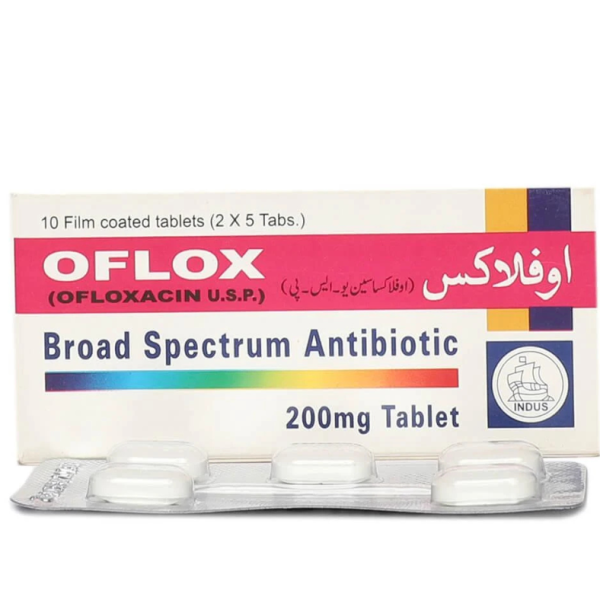
Ofloxacin 200mg Tablet is an antibiotic medication used to treat a variety of bacterial infections. It belongs to the fluoroquinolone class of antibiotics and works by inhibiting the enzymes necessary for bacterial DNA replication, ultimately preventing bacterial growth. Ofloxacin is effective against a wide range of Gram-positive and Gram-negative bacteria and is commonly prescribed for infections such as urinary tract infections, respiratory tract infections, skin infections, and eye infections. It is also used in the treatment of conditions like prostatitis and certain types of gonorrhea. Ofloxacin should only be used under the guidance of a healthcare provider, as misuse or overuse can lead to antibiotic resistance.
Ingredients
Ofloxacin
Drug Class
fluoroquinolone antibiotics
Dosage Form
Uses
Following are the uses of Ofloxacin 200mg Tablet:
- Effective in treating sexually transmitted infections (STIs), such as gonorrhea and chlamydia.
- Helps manage bacterial infections of the eyes, ears, and sinuses.
- Can be used to treat certain types of gastrointestinal infections, such as traveler’s diarrhea.
- Often prescribed for bacterial prostatitis, a bacterial infection of the prostate gland.
- Used in the treatment of infections caused by susceptible strains of bacteria, particularly when other antibiotics are not effective.
- Helps prevent infections in individuals undergoing certain surgeries, such as those involving the gastrointestinal or urinary systems.
Dosage
Dosage of Ofloxacin 200mg Tablet:
- For adults, the typical dose is 200 mg once or twice daily, depending on the type and severity of the infection, as directed by a healthcare provider.
- For respiratory tract infections, the recommended dose is usually 200 mg twice daily for 7-14 days, depending on the infection.
- For urinary tract infections, the usual dose is 200 mg once or twice daily for 3-14 days.
- For skin infections, the dose is typically 200 mg once or twice daily for 7-14 days.
- Ofloxacin should be taken orally, with or without food, and swallowed whole with a glass of water.
- If you miss a dose, take it as soon as you remember, but do not take two doses at once to make up for the missed one.
In case of Overdose
In case of an overdose of Ofloxacin 200mg Tablet, seek immediate medical attention or contact a poison control center. Symptoms of an overdose may include nausea, vomiting, dizziness, confusion, and seizures. Treatment will focus on managing symptoms and may involve supportive care, such as intravenous fluids, monitoring vital signs, and possibly gastric lavage or activated charcoal if the overdose was recent. There is no specific antidote for ofloxacin overdose, so prompt medical intervention is crucial. Always follow the recommended dosage and consult your healthcare provider for further guidance.
Missed Dose
In case of a missed dose of Ofloxacin 200mg Tablet, take the dose as soon as you remember. However, if it is almost time for your next scheduled dose, skip the missed dose and continue with your regular dosing schedule. Do not take two doses at the same time to make up for a missed dose, as this could increase the risk of side effects. If you are unsure about what to do, consult your healthcare provider for further guidance. Always try to take the medication at the same time each day to help remember your doses.
How To Use
Ofloxacin 200mg Tablet typically, it should be taken once daily, with or without food, depending on your healthcare provider’s recommendations. Swallow the tablet whole with a glass of water. Do not chew, crush, or break the tablet, as this may affect its effectiveness.
When Not to Use
When not to use Ofloxacin 200mg Tablets:
- If you are allergic to ofloxacin, other quinolone antibiotics, or any of the ingredients in the formulation.
- In individuals with a history of tendon disorders related to quinolone antibiotics, as ofloxacin may increase the risk of tendonitis or tendon rupture.
- Avoid use in individuals with a history of seizures, as ofloxacin may lower the seizure threshold.
- Do not use in patients with a known history of glucose-6-phosphate dehydrogenase (G6PD) deficiency, as it can increase the risk of hemolytic anemia.
- If you are pregnant or breastfeeding, consult your healthcare provider, as the safety of ofloxacin during pregnancy and lactation has not been fully established.
- Avoid using ofloxacin in children under 18 years old, as it may cause joint problems.
- Do not use in patients with a history of severe liver or kidney impairment, as ofloxacin can worsen these conditions.
- If you experience signs of an allergic reaction, such as rash, swelling, or difficulty breathing, discontinue use and seek immediate medical attention.
Side Effects
Side effects of Ofloxacin may include:
- Nausea
- Diarrhea
- Dizziness
- Headache
- Rash
- Insomnia
- Tendonitis
- Vomiting
- Photosensitivity
- Confusion
Precautions & Warnings
Precautions and Warnings for Ofloxacin 200mg Tablets include:
- Use with caution in individuals with a history of gastrointestinal disorders, such as ulcers or colitis, as ofloxacin may worsen these conditions.
- Do not exceed the recommended dose of ofloxacin, as higher doses may increase the risk of serious side effects, including tendonitis or tendon rupture.
- If you have a history of seizures, use ofloxacin carefully, as it may lower the seizure threshold and increase the risk of seizures.
- Use with caution in individuals with liver or kidney issues, as ofloxacin may worsen these conditions or lead to further organ damage.
- Ofloxacin should be avoided during pregnancy, especially in the first trimester, as it may harm the fetus. Consult your healthcare provider if you are pregnant or breastfeeding.
- Use with caution if you have a history of heart problems, as ofloxacin can cause QT prolongation and may increase the risk of arrhythmias.
- Alcohol should be avoided while taking ofloxacin, as it can increase the risk of side effects such as dizziness or gastrointestinal discomfort.
- If you experience any signs of an allergic reaction, such as rash, swelling, or difficulty breathing, discontinue use immediately and seek medical attention.
- Regular monitoring of kidney function is recommended, particularly for individuals with pre-existing renal conditions or those taking high doses.
- Keep ofloxacin out of reach of children to prevent accidental ingestion.
Drug Interactions
Drug Interactions for Ofloxacin 200mg Tablets include:
- Ofloxacin may interact with anticoagulants like warfarin, increasing the risk of bleeding due to its effect on blood clotting.
- Concurrent use of ofloxacin with other antibiotics, especially other fluoroquinolones, may increase the risk of side effects such as tendon rupture or central nervous system issues.
- Combining ofloxacin with nonsteroidal anti-inflammatory drugs (NSAIDs) can increase the risk of seizures, particularly in those with a history of seizures or central nervous system disorders.
- Ofloxacin may reduce the effectiveness of oral contraceptives, leading to potential unintended pregnancies.
- If taken with certain antiarrhythmic drugs, such as amiodarone or sotalol, ofloxacin can increase the risk of QT prolongation and arrhythmias.
- Use of ofloxacin with corticosteroids may increase the risk of tendonitis or tendon rupture, especially in elderly individuals.
- Ofloxacin can interact with antacids or supplements containing magnesium, aluminum, or calcium, which may reduce its absorption and effectiveness.
- If you are taking medications that affect kidney function, such as cyclosporine, use caution, as ofloxacin may increase the risk of kidney damage.
Food Interactions
Food Interactions for Ofloxacin 200mg Tablets include:
- Ofloxacin may interact with dairy products (such as milk and yogurt) or calcium-fortified foods, as they can reduce the absorption of the medication, potentially making it less effective.
- Avoid taking ofloxacin with antacids, sucralfate, or multivitamins containing magnesium, aluminum, or calcium, as these can interfere with the absorption of the drug.
- Iron supplements or foods high in iron may also reduce the effectiveness of ofloxacin if taken simultaneously.
- It is recommended to take ofloxacin at least two hours before or after consuming dairy products or supplements containing calcium, iron, or magnesium.
- Grapefruit juice may interact with ofloxacin, though the clinical significance is unclear; it’s best to consult your healthcare provider regarding its consumption.
- Alcohol should be consumed with caution, as it may increase the risk of side effects like dizziness, lightheadedness, or gastrointestinal discomfort.
Storage/Disposal
Ofloxacin 200mg Tablets should be stored in a cool, dry place, away from direct sunlight and moisture, at room temperature (typically between 20-25°C). Keep the medication in its original packaging or a tightly closed container to protect it from moisture. Ensure that the tablets are kept out of reach of children and pets. Do not use the medication past its expiration date, as this can lead to reduced effectiveness. For disposal, follow local guidelines or ask your healthcare provider or pharmacist about proper disposal methods. Do not flush the tablets down the toilet or throw them in the trash unless instructed to do so by proper disposal programs.
Quick Tips, if any
Quick Tips for Ofloxacin 200mg Tablets:
- Take ofloxacin on an empty stomach, at least 1 hour before or 2 hours after meals for better absorption.
- Avoid lying down immediately after taking ofloxacin to reduce the risk of irritation in the esophagus.
- Stay well-hydrated while taking this medication to reduce the risk of kidney issues.
- Protect your skin from direct sunlight, as ofloxacin can increase sensitivity to the sun and raise the risk of sunburn.
- Always finish the entire course of ofloxacin as prescribed, even if you start feeling better, to prevent the development of antibiotic resistance.
- Avoid excessive caffeine or products that contain caffeine while taking ofloxacin, as they may lead to increased nervousness or insomnia.